Nova Scotia’s Traffic Safety Act takes effect October 19 — here’s what’s changing

HALIFAX — Nova Scotia’s Traffic Safety Act, which passed the legislature in October 2025, will replace the Motor Vehicle Act on October 19, 2026, bringing sweeping changes to the rules of the road across the province.
The new legislation, introduced September 23, 2025, modernizes a framework that had governed Nova Scotia roads for decades. The province says the act will “modernize the rules of the road and improve safety.”
Children in vehicles
The act introduces precise weight- and age-based definitions for child restraints. Infants must remain in rear-facing seats until at least age two or 10 kg. Forward-facing seats are required until at least age four or 18 kg. Booster seat requirements extend to age nine or a standing height of 145 cm. The rules now explicitly apply to motorcycle passengers as well.
Cyclists and dooring
Several changes affect cyclists and drivers sharing the road:
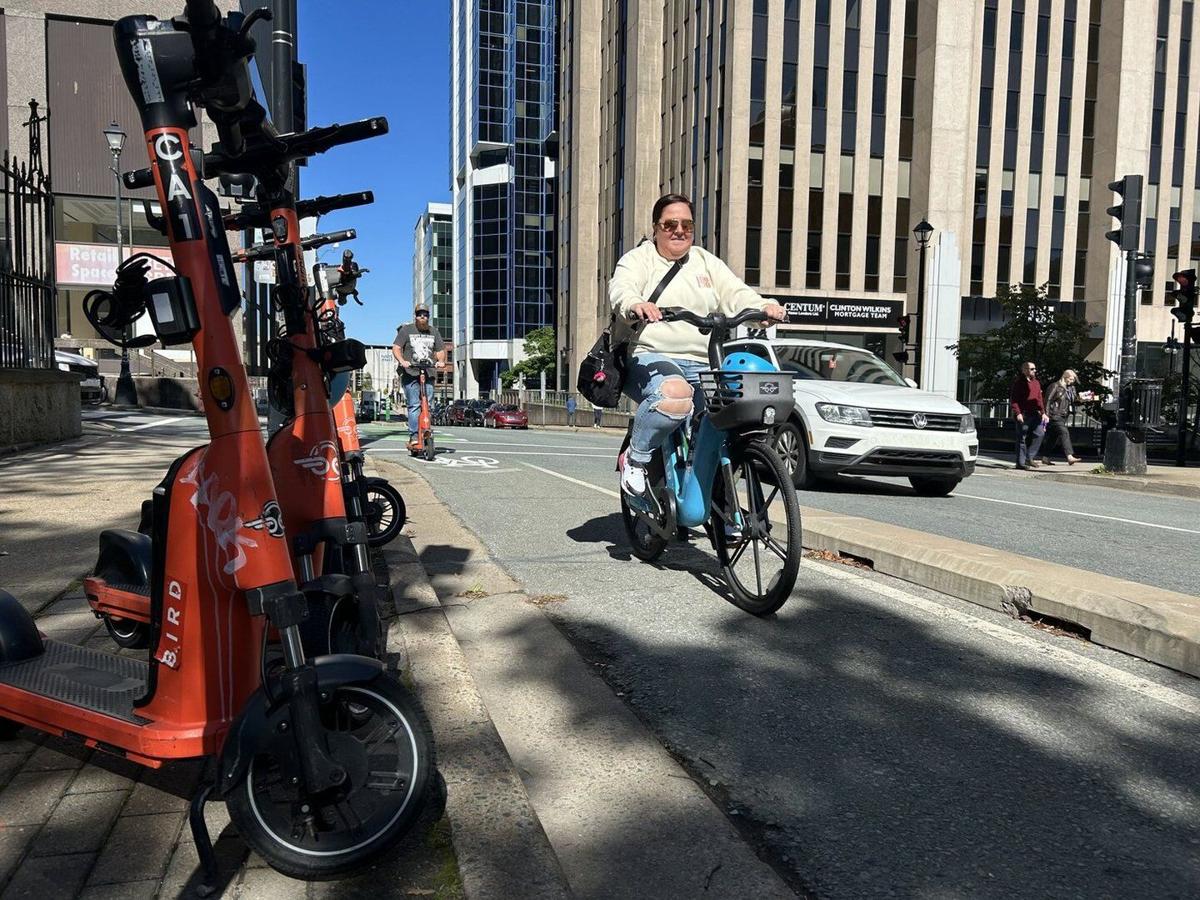
- Drivers must maintain at least one metre when passing a bicycle, including in unprotected bike lanes.
- A new “dooring” provision prohibits opening a vehicle door on a highway unless the vehicle is stopped and it is safe to do so, applying to all oncoming traffic, not just cyclists.
- Cyclists must walk their bikes across crosswalks unless a physical disability prevents it.
- Children under 14 may ride on sidewalks.
- Passengers on a bike must have a dedicated seat and wear a helmet.
- Bike lane exit rules now require yielding to traffic.
New offences for non-motorized conveyances
Electric scooters, skateboards, kick-scooters, and bicycles now face specific offences that do not carry driver’s licence demerit points — a structural change that creates a separate enforcement track for non-motorized road users.
Parking and stopping
The legal parking distance from a curb increases from 15 centimetres to 30 centimetres. New offences target parking on sidewalks, on medians, or blocking driveways. Specific provisions also address motorcycle parking on roadways.
What drivers should do now
Until October 19, the Motor Vehicle Act remains in force. The province has published a transition page to help residents understand the changes ahead.